



New Roof in Greenwich: repair or replace?
Most roofs in Greenwich that give trouble can be repaired. A few have reached the stage where one more repair only buys another winter. Telling the two apart is the first thing we do on a site visit, and it decides everything that follows.
Signs that a roof has reached the end
On a Georgian or Victorian terrace, look for slates slipping right across a slope and not just in one corner. That usually means the nails holding them have rusted through, and more slates will follow. Other signs are slates that flake or crumble in the hand, a ridge that dips in the middle, hollows between the rafters, and rows of old lead clips where slates have been hooked back many times already. In the loft, daylight between the slates or dark, damp timber tells the same story.
What a repair can still do
If the loose slates are all in one place, the timbers are dry and the slope is straight, a repair is the right answer. Single slates can be replaced, ridge tiles bedded again and a length of flashing or a valley renewed, all without disturbing the rest of the roof.
What a new roof involves
A new roof in Greenwich begins with scaffolding. We own ours, and for a new roof there is no charge for putting it up. The old covering comes off, the rafters are checked and any weak timber is replaced. New membrane and battens go on, then the slates or tiles, new leadwork and a new ridge. We install slate and tile coverings on pitched roofs, lay new flat roofs, and can rebuild or demolish a chimney while we are there. Stripping and recovering a roof normally counts as building work under the Building Regulations, which can mean improving the insulation at the same time. Further details are under new roofs.
Roofers in Greenwich
CRB Roofing Building Ltd has been a family concern for three generations. The roofers and builders who arrive on site are our own staff. Public liability insurance is in place, finished work carries our guarantee, and a visit to look at the roof and quote costs nothing.
Greenwich town centre lies inside the Maritime Greenwich World Heritage Site, which takes in the late Georgian streets around St Alfege's church. Georgian and Victorian terraces line the older roads, and Greenwich Park climbs the hill behind them towards Blackheath. Deptford is upstream to the west and Woolwich downstream to the east. The town faces the Thames, so its roofs take wind and rain straight off the river.
Roof Repairs in Greenwich
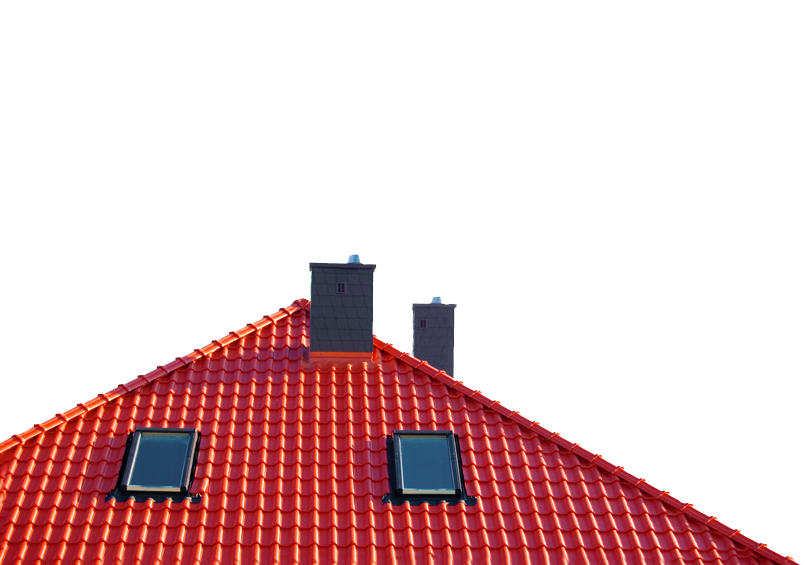
Weather off the river finds the weak points first: a slate with a tired fixing, a ridge tile on old mortar, a strip of lead that has worked loose. We put back slates and tiles that are missing or broken, matching them to the roof around them, and repair flashing, leadwork, guttering and other roofline faults.
After a storm, an emergency roof repair makes the house watertight first. Anything further can then be planned without a rush. What we cover is set out under roof repairs.
Flat Roofing in Greenwich
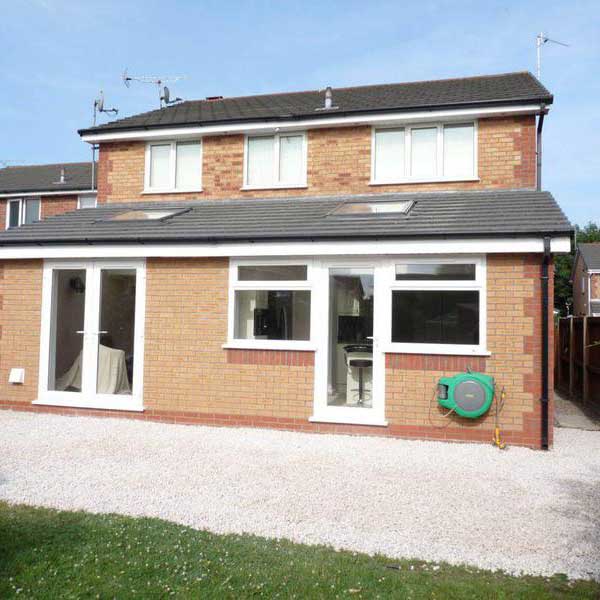
Behind many terraces sits a back addition, a dormer or a newer extension with a flat roof. We lay new flat roofs on houses and on commercial buildings, in torch on felt, standard felt, GRP fibreglass or EPDM rubber. An existing roof can often be kept going: we find and stop leaks, deal with splits and blisters, strengthen the perimeter and the laps, and correct poor drainage. If the main roof is being replaced, it makes sense to renew a worn flat roof while the scaffolding is up. The systems are listed on our flat roofs page.
Chimney Repairs in Greenwich
Georgian and Victorian houses were built with a fireplace in almost every room, so their stacks are wide and carry several flues. Chimney brickwork is repointed, stacks are rebuilt from the roof line up, redundant chimneys come down and unused flues are capped. Flashing repairs stop water tracking down the side of the stack into the room below. On a listed house, altering or taking down a chimney needs consent first. Box gutters and valleys lined in lead are dealt with under chimney and leadwork services.
Facias Replacement in Greenwich
The fascia is the board behind the gutter, and the soffit is the panel under the eaves. Once the paint fails and the timber softens, the gutter brackets lose their grip. We replace both in uPVC, renew guttering and downpipes along with the bargeboards and box ends, and straighten and unblock runs that overflow. On a street front in the conservation area, ask the council before swapping timber for uPVC. More on guttering and fascias.
Damp Proofing in Greenwich
Many Georgian terraces have a lower ground floor partly below street level, and those rooms are where damp shows first. A damp survey separates rising damp from penetrating damp and condensation. Depending on the cause we inject a new damp proof course, tank the walls or line them with a membrane, treat the outside face of the brickwork or add ventilation. See damp proofing.
Brick Repointing on Greenwich Terraces
Old brickwork relies on its mortar joints to shed water. When the joints weather back, the bricks themselves start to suffer. We repoint the full face of a house, garden walls, parapets and stacks, taking out the failed mortar and putting back a mix matched to the original colour. Listed and heritage buildings are repointed by traditional methods where these are required. Our brick repointing page explains the process.
Property Refurbishment in Greenwich
A new roof is often one part of a wider renovation. We also plaster and render, paint and decorate, lay floors and tiles, update kitchens and bathrooms and make structural improvements. For bigger schemes we can help with the planning application, organise surveys and an architect's drawings, bring in a structural engineer and manage the project. Visit property refurbishment for the detail.
Questions about a new roof in Greenwich
Will the conservation area or the World Heritage Site limit my choice of slate or tile?
It can. World Heritage status has no separate permission form of its own. The controls a homeowner meets are the conservation area and, for some houses, listing. Replacing slate with matching slate is the usual expectation, and a change of material or colour may need planning permission. A listed building is likely to need listed building consent for a new roof. Ask the Royal Borough of Greenwich planning team before you settle on a material. We can help with the application.
Can the old slates be reused?
Often, yes. Slates are taken off by hand and each one is checked. Those that are still hard and whole, with sound nail holes, can go back on. They are usually kept together on the slope people see most, with new slate matched as closely as possible elsewhere. How many survive depends on the roof, so a firm number is only possible once the slates are off.
What happens to the chimney and leadwork when the roof is replaced?
They are dealt with while the scaffolding is up. Flashings round the chimney, lead valleys and any box gutters are renewed along with the covering, because old lead dressed over new slate rarely seals well. The stack itself is checked and can be repointed, rebuilt or, where consent allows, removed.
To arrange a free site visit, ring 020 8945 7505 (London) or 07778 272228 (Onsite), or send us a note from the contact page. Every town we cover appears in our list of areas.